Amazon Virtual Assistant Interview Questions: A Copyable Template
A ready-to-use Amazon VA interview template, plus how to score answers and adapt it to your store.
On this page
- What Are Amazon Virtual Assistant Interview Questions?
- Key Amazon VA Interview Terms You Should Know
- Why Do Interview Questions Matter When Hiring an Amazon VA?
- How Does an Amazon VA Interview Work?
- The Amazon Virtual Assistant Interview Question Template
- Types of Amazon VA Interview Questions
- How These Questions Differ From Other Interviews
- The Benefits of a Structured Amazon VA Interview
- The Drawbacks of a Structured Amazon VA Interview
- Who Needs an Amazon VA Interview Template?
- Amazon VA Interview Answer Examples
- Creating an Amazon VA Interview Plan, Step-by-Step
- What Does a Strong Amazon VA Interview Look Like?
- Tools and Software for Amazon VA Interviews
- 10 Proven Tips for Running an Amazon VA Interview
- Overcoming Common Amazon VA Interview Challenges
- How to Measure Amazon VA Interview Success
- How Long Does an Amazon VA Interview Process Take to Work?
- How Much Does Hiring an Amazon VA Cost?
- Is a Structured Amazon VA Interview Worth It?
- How to Choose an Amazon VA Agency
- Amazon VA Hiring Trends to Factor Into Your Questions
- Amazon VAs and AI
- FAQs
💡 Key Takeaways:
1) Good Amazon virtual assistant interview questions test real Seller Central work, such as fixing a suppressed listing, reading ACoS, and handling account health warnings, rather than general claims of experience.
2) A strong interview mixes scenario questions, a short paid task, and a check on how the candidate gets account access, because a shared password is a security risk to the whole store.
3) Score every candidate on the same written rubric, and weight the practical task more heavily than the conversation, since smooth talkers and skilled operators are often different people.
Hire an Amazon VA Who Earns Back Their Rate
Every question below is one we'd want answered before anyone touches your Seller Central account. Hyperstaff has placed 70+ pre-vetted virtual assistants with 30+ clients, and our Amazon virtual assistant services start from $3/hour, with placement in 5 business days and a dedicated account manager for every client.
What Are Amazon Virtual Assistant Interview Questions?
Amazon virtual assistant interview questions are the screening questions a seller uses to check that a remote candidate can run real tasks inside Seller Central. They cover listings, advertising, FBA inventory, account health, customer messages and how the person works when nobody is watching.
The role itself is wider than most sellers expect. If you're still deciding the scope, start with what an Amazon virtual assistant does, then build your questions around the tasks you'll actually hand over.
Key Amazon VA Interview Terms You Should Know
- Seller Central = Amazon's dashboard where third-party sellers manage listings, orders, ads and reports.
- FBA = Fulfillment by Amazon, where Amazon stores, picks, packs and ships your stock.
- FBM = Fulfilled by Merchant, where you or a 3PL ship orders yourself.
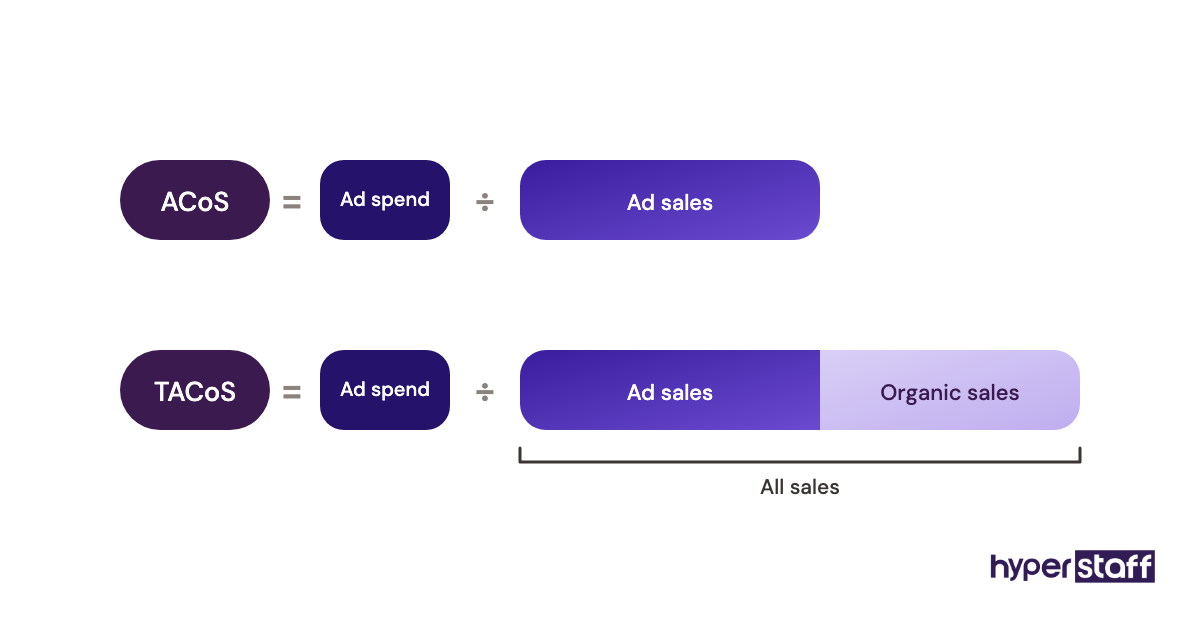
- ACoS = Advertising cost of sales, ad spend divided by ad-attributed revenue.
- TACoS = Total advertising cost of sales, ad spend divided by all revenue.
- Buy Box = The "Add to Cart" slot on a product page that one seller wins at a time.
- Account Health Rating = Amazon's score of your policy and performance compliance.
- Suppressed listing = A listing hidden from search because of a missing or flagged detail.
- Stranded inventory = FBA stock sitting in a warehouse with no active offer attached.
- Flat file = A bulk upload spreadsheet for creating or editing many listings at once.
- Brand Registry = Amazon's program that gives brand owners A+ Content and extra protection.
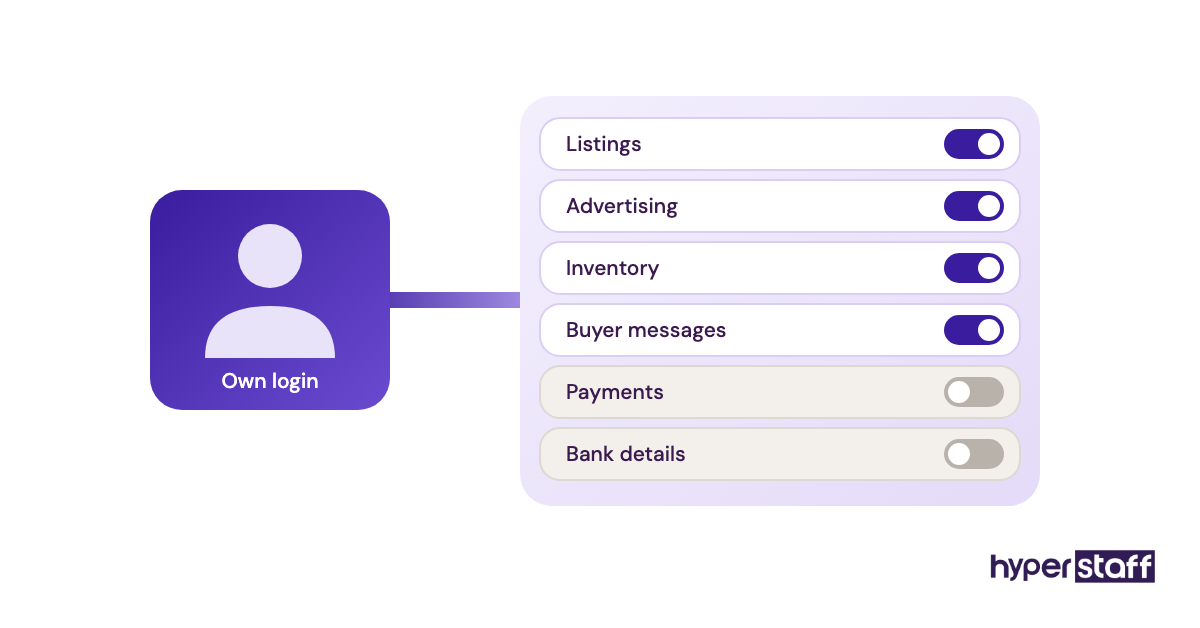
- User permissions = Seller Central's setting for giving each team member their own login and limited access.
Why Do Interview Questions Matter When Hiring an Amazon VA?
Interview questions matter because an Amazon VA gets close to the most fragile asset you own: your seller account. One wrong flat file can overwrite fifty listings, and one careless reply to a buyer can trigger a policy flag.
Resumes in this niche are hard to verify. Plenty of candidates list "Amazon PPC" after a few weeks of pulling search term reports for someone else, and only a scenario question exposes the gap.
A tight set of questions also protects your time. You can spot a weak fit in the first fifteen minutes and skip the paid test, which is the expensive part of the process.
How Does an Amazon VA Interview Work?
An Amazon VA interview usually runs in four stages: a written screen, a 30 to 45 minute video call, a short paid task and a reference check. Most sellers finish all four in one to two weeks per hire.
The written screen filters for English and attention to detail. Ask candidates to answer two questions in writing and include a small instruction, such as putting a word in the subject line, so you see who reads carefully.
The video call is where the template below does its work. Keep the paid task for your final two or three people, and pay for it at the rate you'd offer.
Worth knowing: Amazon lets you add each team member as a separate user with their own login and set permissions, so any candidate who asks for your main password during the test has already failed the most important question.
For the steps around the interview itself, such as sourcing and offers, see our full hiring process for Amazon VAs.
The Amazon Virtual Assistant Interview Question Template
Copy the block below into a doc, delete the sections that don't match your store, and ask every candidate the same questions in the same order. The notes in brackets tell you what a good answer should contain.
Part 1: Background and Amazon experience
- Which Seller Central accounts have you worked in, and what did you own in each one? (Listen for tasks they owned, as opposed to tasks they watched.)
- Walk me through a normal workday in your last Amazon role, hour by hour.
- Which marketplaces have you worked in, such as the US, UK or EU? What changed between them?
- FBA, FBM or both? Tell me about one inbound shipment you prepared from start to finish.
Part 2: Account health and compliance
- Where do you check account health, and how often?
- A listing was suppressed this morning. What do you click first?
- Tell me about a policy warning you handled. What did you send to Amazon?
- How should I give you access to my account? (Correct answer: their own user login with set permissions.)
Part 3: Listings and catalog
- A product's conversion rate drops by a third in two weeks. Which parts of the listing do you check?
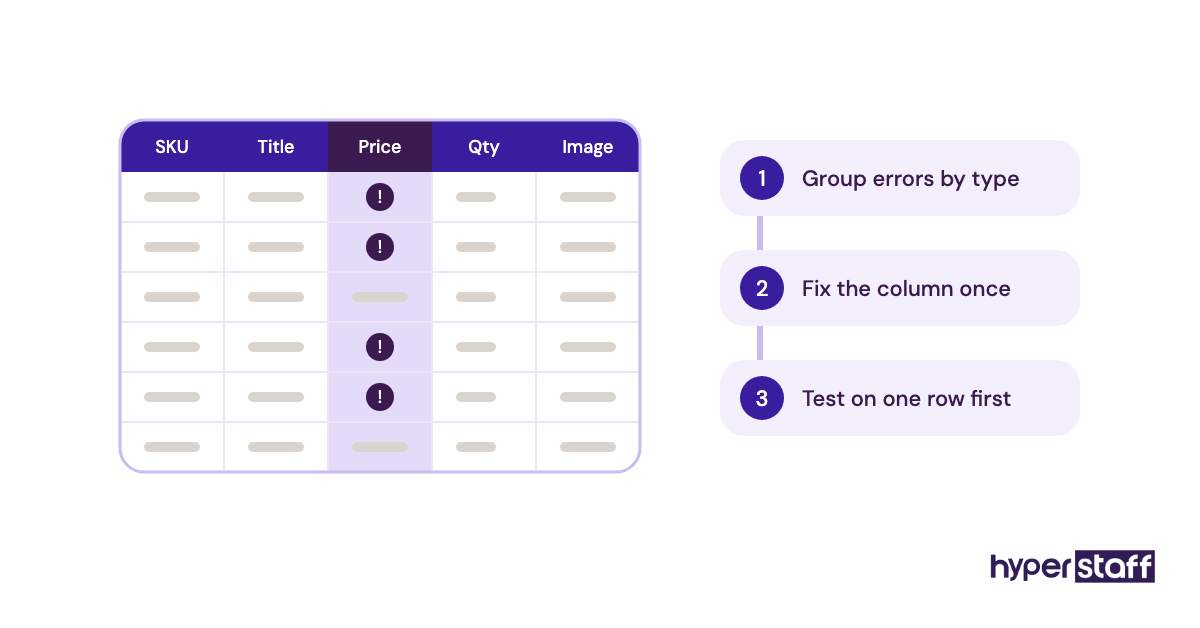
- Your flat file upload returns 40 errors. What do you do next?
- What have you built in A+ Content, and who wrote the copy?
- How do you research backend search terms, and what do you leave out?
Part 4: Advertising and numbers
- Explain ACoS and TACoS in your own words. Which do you watch weekly, and why?
- A Sponsored Products campaign spent $40 a day for a week with zero sales. What do you check?
- How do you build and maintain a negative keyword list?
- Here is a Business Report export. Which two numbers worry you?
Part 5: Inventory and operations
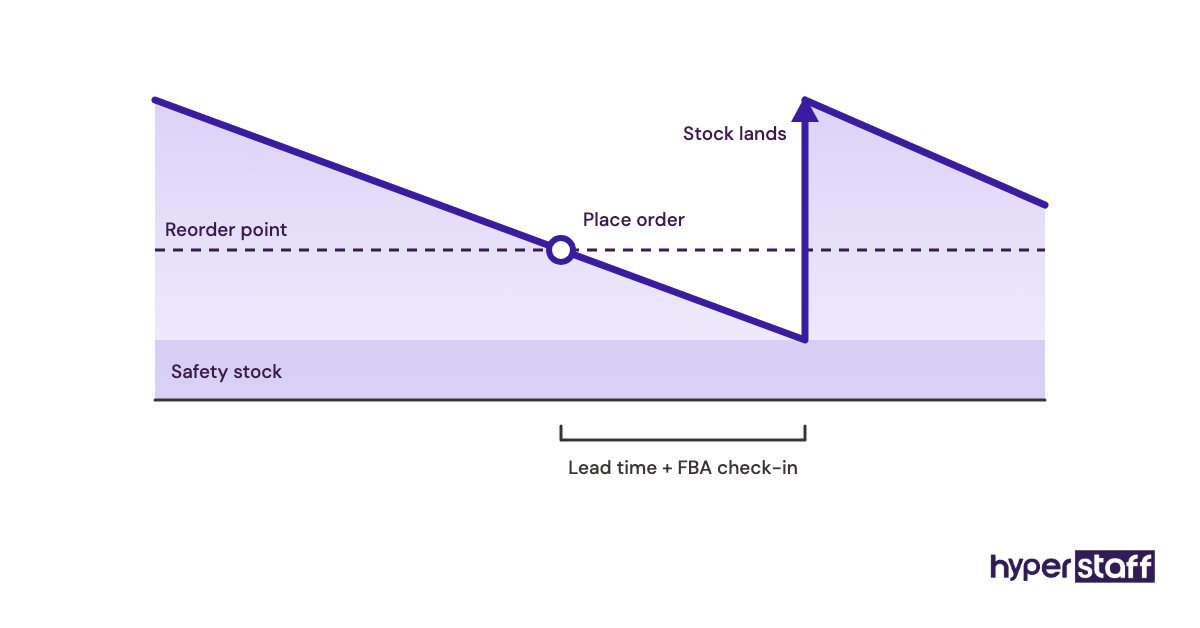
- How do you work out a reorder point for an FBA product with a 45-day supplier lead time?
- What causes stranded inventory, and how have you fixed it?
- How do you file a reimbursement case for lost or damaged FBA units?
Part 6: Customer messages and reviews
- A buyer writes angrily about a late delivery. Write the reply now, in the chat.
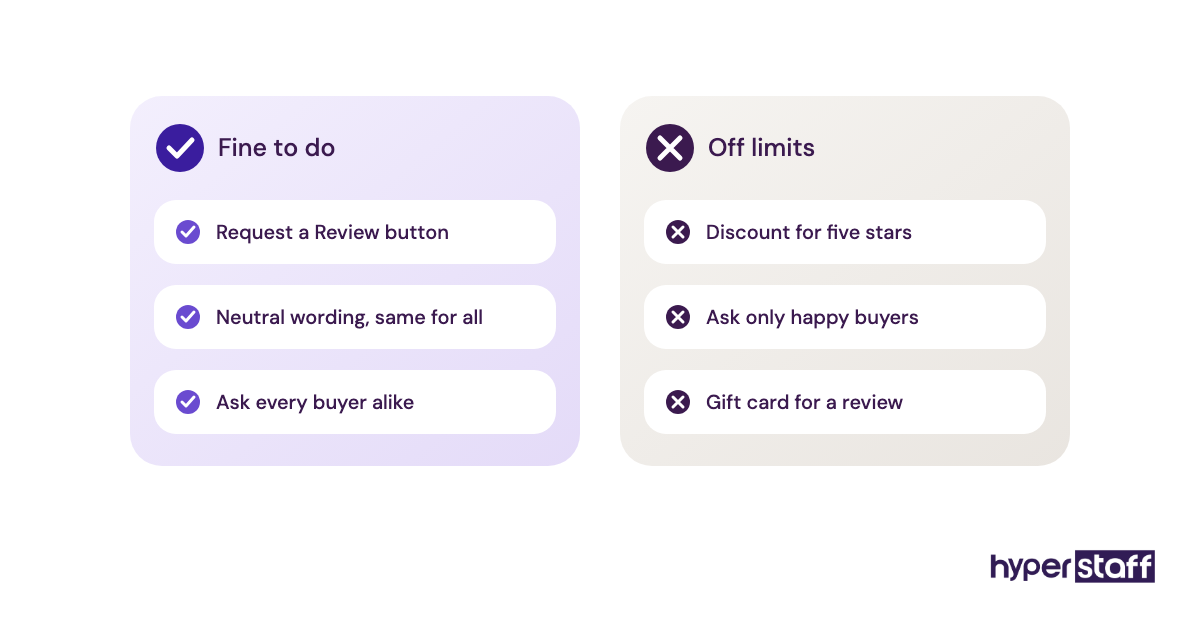
- What can't you say when asking a buyer for a review? (Listen for: no incentives, no asking only happy buyers.)
Part 7: Working style
- You hit a Seller Central screen you've never seen. What do you do in the first hour?
- How would you report your week to me?
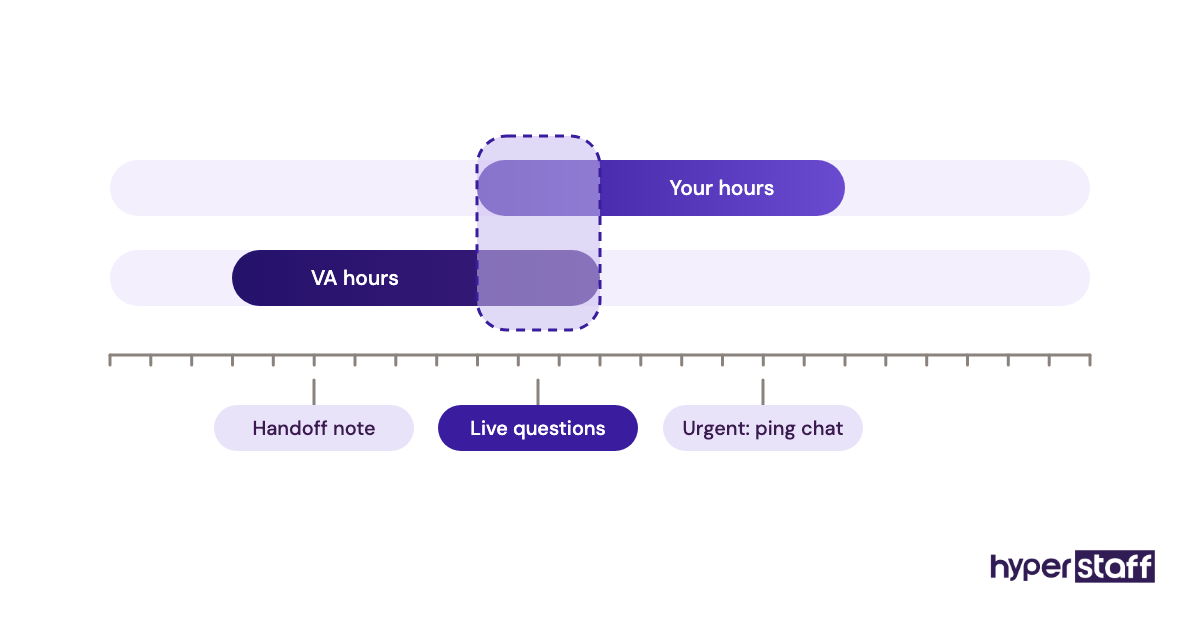
- Which of your working hours overlap with mine, and how do you flag an urgent issue outside them?
- Tell me about a mistake you made in a seller account and what it cost.
Part 8: Paid task (finalists only)
- Audit one of our live listings in 60 minutes. Send a short screen recording with your top fixes, ranked.
To adapt it, match the parts to your Amazon virtual assistant job description. A seller who runs ads through an agency can cut Part 4 down to question 13. A private-label brand launching new products should add two listing questions and drop the FBM detail.
Types of Amazon VA Interview Questions
Amazon VA interview questions fall into eight types, and each one tests something the others miss. The table shows what each type reveals and the answer that should end the conversation.
| Question type | What it tests | Sample question | Red-flag answer | Weight |
|---|---|---|---|---|
| Experience | Real account history | "What did you own?" | "I helped with everything" | Medium |
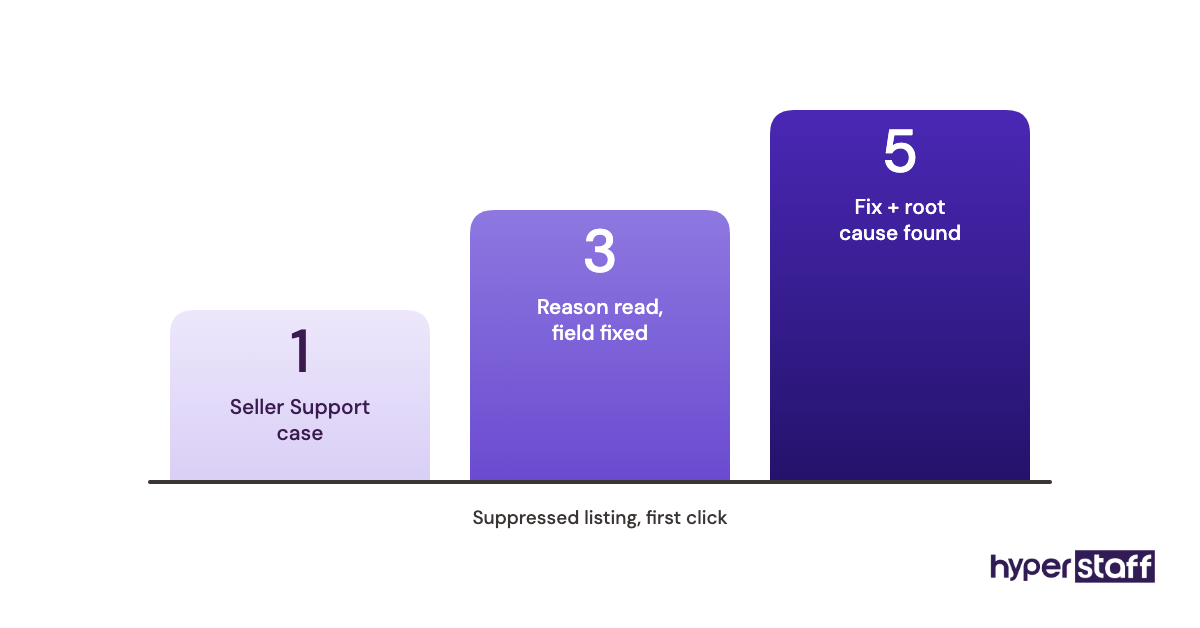
| Scenario | Problem order of operations | "Listing suppressed. First click?" | "I'd contact Seller Support" | High |
| Technical | Seller Central fluency | "Flat file has 40 errors" | "I'd fix them one by one manually" | High |
| Numbers | Ad and report literacy | "Explain TACoS" | Mixes up ACoS and ROAS | High |
| Compliance | Policy risk awareness | "How do I give you access?" | "Just send me your password" | Pass/fail |
| Written | Buyer-facing tone | "Reply to this angry buyer" | Blames the carrier or the buyer | Medium |
| Working style | Remote habits and honesty | "Tell me about a mistake" | "I've never made one" | Medium |
| Practical task | Actual output quality | 60-minute listing audit | Generic tips, no ranked fixes | Highest |
How These Questions Differ From Other Interviews
Amazon VA interview questions sit between a general assistant screen and a marketplace specialist test. Most of the difference comes from account risk: the candidate will act inside a system where errors are public and sometimes permanent.
Amazon VA Questions vs. General VA Interview Questions
General VA interviews check communication, tools and reliability. An Amazon VA interview keeps those checks but adds platform questions with right and wrong answers, such as how review requests work under Amazon's rules.
Amazon VA Questions vs. Amazon Corporate Job Interviews
Search results for this keyword often mix in Amazon's own employee interviews, which revolve around its Leadership Principles and the STAR answer format. You're hiring for a seller account, so a candidate who aced an Amazon warehouse or corporate interview has proven nothing about Seller Central.
Interview Questions vs. a Paid Skills Test
Questions show how a person thinks out loud. The paid task shows what they produce alone, at their own pace, which is what you're actually buying.
Practitioners split on this one. Some sellers skip the test and rely on a 30-day trial, while others won't hire without it. We lean toward a short test of 60 to 90 minutes, because a trial month with the wrong person costs far more than one paid hour.
The Benefits of a Structured Amazon VA Interview
- Every candidate is scored against the same questions, so comparisons are fair.
- Scenario questions expose inflated resumes within minutes.
- The access question screens out security risks before they reach your account.
- A written answer bank becomes training material once you hire.
- You stop relying on gut feel after a friendly call.
The Drawbacks of a Structured Amazon VA Interview
- It takes two to three hours to set up the first time.
- Strong candidates sometimes freeze on live numbers questions.
- A fixed script can miss a skill you didn't think to ask about.
Who Needs an Amazon VA Interview Template?
An Amazon VA interview template is most useful for sellers hiring their first remote helper, since they have no past hire to compare against. Brands with two or more marketplaces also benefit, because the questions surface regional gaps fast.
Sellers doing under a few hundred orders a month may only need Parts 1, 2 and 6. Larger catalogs with active PPC need the full set, plus the paid task.
Amazon VA Interview Answer Examples
The answer patterns below are the ones we listen for when screening Amazon specialists. They're composites of common responses, written to show the difference in shape between a strong and a weak reply.
Good Amazon VA Interview Answers
Suppressed Listing Answer
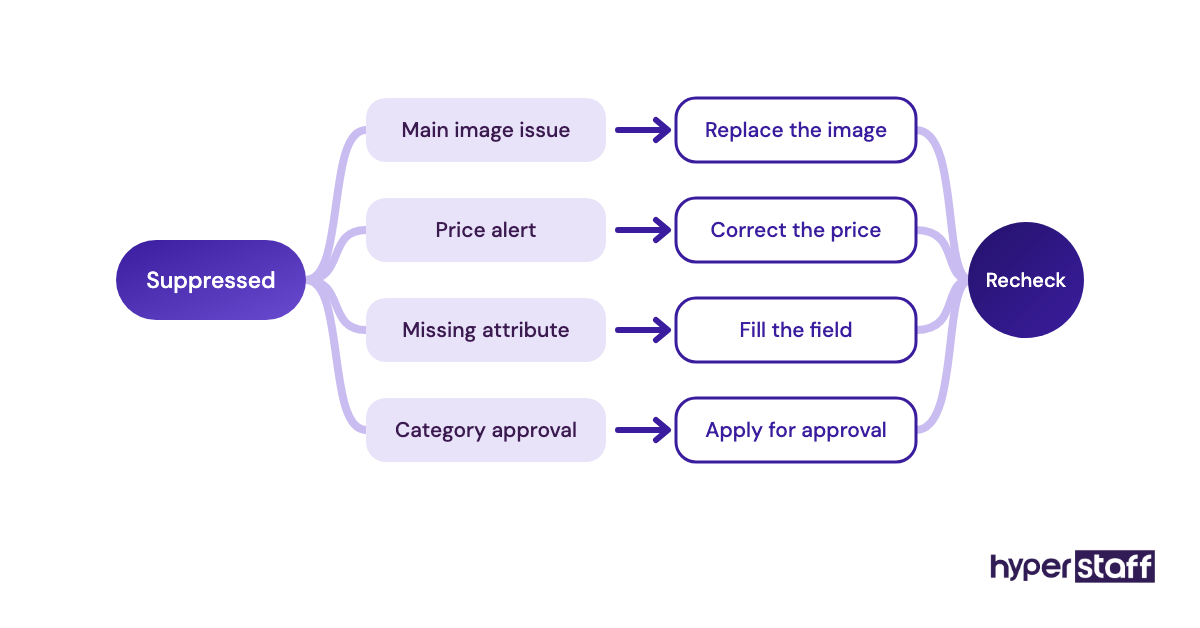
"I'd open Manage All Inventory, filter for suppressed, and read the exact reason Amazon gives. It's usually a missing main image, a price alert or a missing attribute, so I'd fix that field and recheck in a few hours."
ACoS and TACoS Answer
"ACoS tells me if a campaign pays for itself. TACoS tells me if ads are building organic sales, so I watch TACoS weekly and expect it to fall as rank improves."
Account Access Answer
"Please add me as a user under User Permissions with access only to the sections I need. I'll never ask for your main login."
Bad Amazon VA Interview Answers
Vague Experience Answer
"I've handled all aspects of Amazon for many clients." No account, no task, no number. Ask one follow-up, and if the answer stays vague, move on.
Seller Support Reflex Answer
"I'd open a case with Seller Support." Support has its place, but leading with it for routine fixes means the candidate can't diagnose problems alone.
Review Request Answer
"I'd offer a small discount for a five-star review." That breaks Amazon's review policy and can put your account at risk.
Keep in mind: a nervous candidate who gives a correct but halting answer is usually a safer hire than a fluent one who gets the policy wrong, so score the content of the answer and ignore the polish.
Creating an Amazon VA Interview Plan, Step-by-Step
An interview plan turns the template into a repeatable process you can run again when you scale. Five steps cover it.
Step #1: List the Tasks You'll Hand Over
Write down every Amazon task you want off your plate this quarter. Our Amazon VA task list is a quick way to check you haven't missed inventory or reimbursement work.
Step #2: Cut the Template to Match
Delete the parts of the template that don't map to those tasks. Twelve to fifteen questions fit a 40-minute call.
Step #3: Write Your Scorecard Before the First Call
Decide what a 1, 3 and 5 answer looks like for each question. Writing it after the calls lets your favorite candidate shape the rubric.
Tip: mark the account access question as pass or fail on your scorecard, because no score on PPC or listings should be able to make up for a candidate who wants your password.
Step #4: Prepare the Paid Task
Pick one real listing and a short brief. Set the time limit and the pay before anyone sees it.
Step #5: Plan the First Week
The interview ends when the new hire starts, and the first week decides whether the hire sticks. Read our guide to onboarding an Amazon VA before you send the offer.
What Does a Strong Amazon VA Interview Look Like?
A strong Amazon VA interview gives the most weight to proof of work and the least to small talk. The scorecard below is a fair default for a Professional-level hire.
| Stage | Time | Weight | Pass mark |
|---|---|---|---|
| Written screen | 15 min | 10% | Followed every instruction |
| Video call | 40 min | 35% | Average 3+ of 5 |
| Access question | 2 min | Pass/fail | Own login, set permissions |
| Paid task | 60 to 90 min | 45% | Ranked, specific fixes |
| Reference check | 15 min | 10% | Confirms tasks claimed |
Tools and Software for Amazon VA Interviews
The tools you test for in an Amazon VA interview should match the ones your store already runs. A candidate who knows your stack ramps up in days, while one who needs to learn three new tools needs weeks.
- Seller Central for every scenario question and the access test.
- Helium 10 or Jungle Scout for keyword and product research questions.
- Keepa for price and rank history during the listing audit.
- Google Sheets for the flat file and reorder point questions.
- Loom for the paid task recording.
- Zoom or Google Meet for the call itself.
Our view on tool questions is simple: ask what they've used, then ask them to show you one report inside it. For a fuller list of what Amazon VAs work in daily, see our roundup of Amazon virtual assistant tools.
10 Proven Tips for Running an Amazon VA Interview
These tips come from the patterns that separate useful interviews from pleasant ones.
- Ask the same questions in the same order to every candidate.
- Have them share their screen in a demo or old account when possible.
- Ask "what did you do next?" at least twice per scenario.
- Give the angry-buyer reply as a live writing test.
- Pay for the practical task, every time.
- Score answers right after each call, before the next one.
- Check time zone overlap in hours, as a number.
- Call one reference and ask which tasks the person owned.
- Never share your main login during any stage.
- Read our list of common Amazon VA hiring mistakes before the first call.
Overcoming Common Amazon VA Interview Challenges
The most common challenge is a seller who can't judge a technical answer. Fix it by writing the good answer into your scorecard before the call, or by bringing in someone who has run Seller Central to sit in on the finalist round.
Rehearsed answers are the second problem. Candidates in this market often share question lists, so add one scenario built from your own store, such as a real error message from last month.
Time zones cause the third. A call at 2 a.m. their time tells you little about their normal thinking, so schedule inside their working hours.
How to Measure Amazon VA Interview Success
Interview success shows up after the hire. Track whether the new VA handles their first five assigned tasks without rework in the first two weeks, and whether your scorecard ranking matched their real output.
Watch account health and listing errors over the first 60 days too. If both stay flat or improve while your own hours on Amazon drop, the questions did their job.
If a top-scoring candidate struggles, look at which question failed to predict it and rewrite that one.
How Long Does an Amazon VA Interview Process Take to Work?
Running the interview process yourself takes one to three weeks from posting to offer, depending on how many applicants you screen. The paid task adds two to four days, since finalists fit it around other work.
Productive output comes later. Most Amazon VAs handle routine tasks within the first two weeks and take on ads or catalog work alone after 30 to 60 days.
How Much Does Hiring an Amazon VA Cost?
Hiring an Amazon VA through Hyperstaff starts at $3/hour for Essential talent, while an in-house US Amazon specialist usually runs $20 to $35 an hour before payroll costs. For a detailed breakdown, read our Amazon virtual assistant cost guide.
| Cost item | In-house US hire | Hyperstaff Essential | Hyperstaff Professional | Hyperstaff Expert |
|---|---|---|---|---|
| Experience | Varies | 0 to 2 years | 2 to 5 years | 5+ years |
| Hourly rate | $20 to $35 | From $3 | From $6 | From $12 |
| 160 hours a month | $3,200 to $5,600 plus 20 to 30% overhead | From $480 | From $960 | From $1,920 |
| Time to hire | 3 to 8 weeks | 5 business days | 5 business days | 5 business days |
| Replacement | Restart hiring | Free, 5 to 7 days | Free, 5 to 7 days | Free, 5 to 7 days |
| Bundles | Full-time salary | 40, 80 or 160 hrs | 40, 80 or 160 hrs | 40, 80 or 160 hrs |
Important: Hyperstaff prices shown are typical starting rates. Your final cost depends on the hours, tier and Amazon skills your store needs.
Is a Structured Amazon VA Interview Worth It?
Yes, a structured interview is worth it, and it's one of the highest-return hours a seller can spend. The questions cost you a morning, and the right hire can hand back 20 or more hours of Seller Central work every month.
Here's a simple calculation. Say you spend 20 hours a month on listings, inventory and buyer messages, and you value your time at $50 an hour, so that work costs you $1,000. A Professional VA on an 80-hour bundle at $6/hour costs $480 and covers those 20 hours with 60 to spare.
The bad-hire side matters too. Three wasted weeks plus a flat file mistake can cost more than a year of careful interviewing. If you're still weighing the hire itself, read whether an Amazon VA is worth it, or compare an Amazon VA versus an in-house hire.
How to Choose an Amazon VA Agency
Choose an Amazon VA agency by asking how it vets Seller Central skills, what replacement terms it offers and who manages the relationship. You can reuse Parts 2 and 4 of the template to test the agency's shortlist.
Ask for a dedicated person over a rotating pool, since Amazon accounts reward someone who learns one catalog deeply. At Hyperstaff, every client gets a dedicated account manager and an Operations Vault that holds your SOPs, tools and context, so a replacement is briefed from day one.
Confirm the start process too. Ours is a 30-minute kickoff call, with work starting that day or the next morning.
Amazon VA Hiring Trends to Factor Into Your Questions
Amazon VA hiring has shifted toward specialists. Sellers now ask for PPC-only, catalog-only or inventory-only help more often than one person who does a little of everything.
Remote talent pools have widened too. Candidates from the Philippines, Latin America, India and Eastern Europe compete for the same roles, so your time zone question carries more weight than it used to.
Expect Amazon to keep changing Seller Central screens. Questions about how a candidate learns new tools will age better than questions about one specific menu.
Amazon VAs and AI
Amazon VAs now work alongside AI features inside Seller Central, including generative tools that draft listing titles and bullet points. Interview for judgment: ask how the candidate checks an AI-written listing for wrong claims, banned words and missing keywords.
A good answer mentions reading every line against the product's real specs before publishing. A weak one says the tool is "usually right."
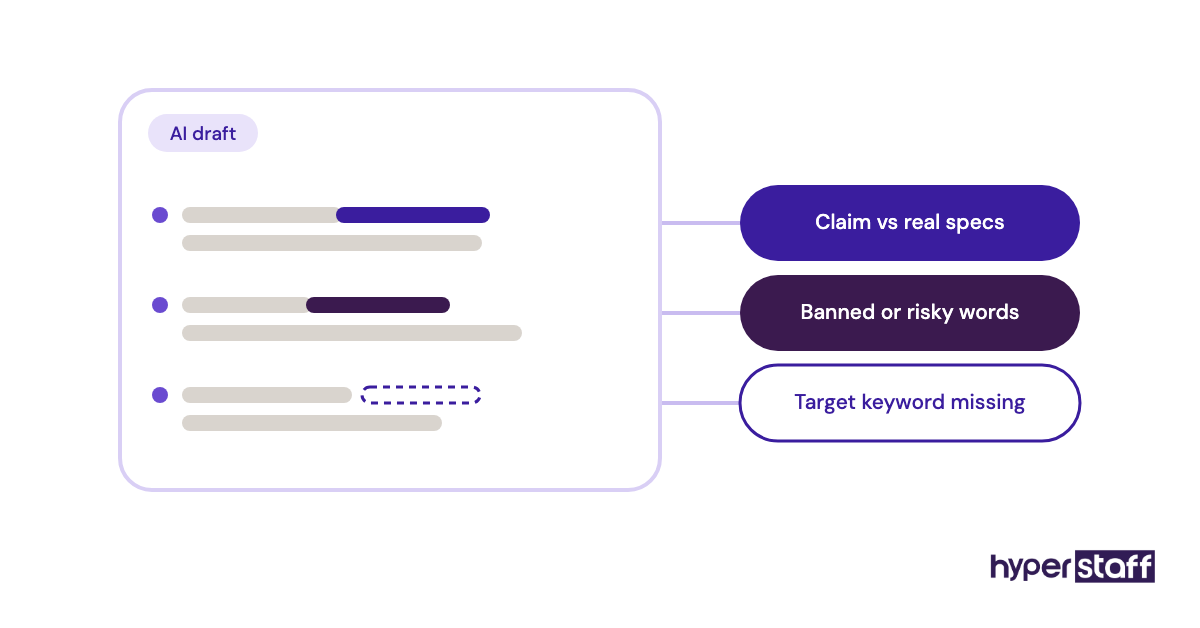
Quick check: add one question asking the candidate to edit an AI-drafted bullet point live, since the edits they make show their product sense far better than any claim about AI skills.
Disclaimer: This article is for general information only and is not legal, employment or Amazon policy advice. Amazon's rules and Seller Central features change, so confirm current policies with Amazon and seek professional advice before making hiring decisions.
Common questions
What should I ask an Amazon VA in the first interview?
Start with what they owned in past Seller Central accounts, then give one scenario, such as a suppressed listing. Finish with how they'd want account access. Those three answers tell you whether a second round is worth your time.
Should I give an Amazon VA candidate a paid test?
Yes, for finalists. A 60 to 90 minute listing audit, paid at your offered rate, shows real output quality better than any interview answer.
How do I know an Amazon VA's Seller Central experience is real?
Ask follow-ups on every claim: which report, which screen, what happened next. Then call a reference and ask which tasks the person handled alone.
What are red flags in Amazon VA interviews?
Asking for your main password is the biggest one. Others include offering incentives for reviews, mixing up ACoS and TACoS, and answering every scenario with "contact Seller Support."
Can I interview an Amazon VA without knowing Seller Central myself?
You can, if you write the expected answers into your scorecard first. The paid task helps most here, because you can judge a clear, ranked list of fixes without being an expert.
Book a free 15 min call
We place a pre-vetted specialist in 5 business days, fully managed, from $3/hour.